Understanding Syria's Private Security Sector
Syria's private security sector presents a unique landscape for investors following the December 2024 political transition. While Legislative Decree 55 of 2013 restricts direct foreign ownership of licensed security companies, multiple pathways exist for international participation through consulting arrangements, technology partnerships, and the unregulated cybersecurity domain.
Our firm has guided foreign companies through these regulatory requirements since the sector's formal establishment. Whether you seek to supply security technology, provide training services, or establish a cybersecurity venture, understanding the legal framework is essential to structuring compliant and profitable arrangements.

Legislative Framework: Decree 55 of 2013
Legislative Decree 55 governs all private security operations in Syria. Enacted in 2013, this law established the Ministry of Interior as the sole licensing authority and set foundational requirements that remain in effect today.
Core Requirements Under Decree 55
- Syrian Ownership Mandate: All licensed private security companies must be 100% Syrian-owned. Foreign individuals and entities cannot hold equity in licensed security firms.
- Ministry of Interior Licensing: Operating without a license carries criminal penalties. The Ministry reviews applications, conducts security vetting, and issues renewable licenses.
- Personnel Security Clearance: All security personnel, from guards to management, must obtain individual security clearances through the Ministry of Interior.
- Capital Requirements: Minimum capital thresholds apply based on service categories, with armed services and cash transport requiring higher capitalization.
- Training Certification: Personnel must complete Ministry-approved training programs before deployment.
Decree 55 explicitly prohibits foreign ownership of private security companies. Attempts to circumvent this through nominee arrangements risk license revocation and legal liability. Our firm structures compliant alternatives that achieve foreign participation through legally permitted mechanisms.
Foreign Investor Participation Structures
Despite ownership restrictions, international security expertise can enter the Syrian market through several legal mechanisms. In our experience advising foreign security companies, the following structures offer the strongest legal foundation and commercial viability.
Joint Venture Consulting Agreements
Foreign security companies can partner with licensed Syrian firms through consulting arrangements. These agreements transfer expertise, operational procedures, and brand standards without equity transfer. Key elements include:
- Technical consulting and operational advisory services
- Training program development and delivery
- Quality assurance and compliance monitoring
- Management support and operational guidance
- Revenue-sharing based on performance metrics
Technology and Equipment Supply Contracts
Security technology represents a significant opportunity. Foreign companies can supply surveillance systems, access control equipment, communication devices, and protective gear to licensed Syrian operators. These contracts fall outside Decree 55's ownership restrictions while generating substantial revenue.
Training Service Partnerships
International security training providers can contract with Syrian companies to deliver specialized instruction. Executive protection, crisis response, and technical security training command premium fees and establish long-term relationships with local operators.
Need a Security Partnership Agreement?
Our team drafts compliant joint venture and consulting contracts for foreign security companies.
Cybersecurity: The Open Sector
Unlike physical security, cybersecurity operates under different regulatory treatment. Investment Law Decree 114 of 2025 permits 100% foreign ownership in most sectors, including IT services. This creates a direct entry path for international cybersecurity firms.
Cybersecurity Market Opportunity
Syria's cybersecurity market remains nascent, presenting first-mover advantages for early entrants. Key demand drivers include:
- Banking Sector Modernization: Syrian banks require comprehensive cybersecurity as international banking connections restore
- Government Digitization: E-government initiatives create demand for secure infrastructure
- Reconstruction Projects: Major infrastructure projects require operational technology security
- Telecommunications: Network operators need protection against emerging threats
- Energy Infrastructure: Power generation and oil facilities require industrial control system security
We have observed virtually zero specialized cybersecurity firms operating in Syria. Foreign companies establishing presence now will face minimal competition while demand grows with economic reconstruction.
Cybersecurity Company Formation Process
Structure Selection
Choose between LLC (15-21 days, 50M SYP minimum) or foreign branch (6-10 weeks, 10M SYP minimum).
Investment Approval
Submit application to Syria Investment Commission under Decree 114/2025 for tax incentives.
Company Registration
Register with Ministry of Commerce, obtain commercial registration and tax identification.
Operations Launch
Establish office, hire staff, and begin client acquisition in growing market.
Security Service Categories and Opportunities
Syria's security market segments into distinct service categories, each with specific licensing requirements and market dynamics. Following the December 2024 transition, demand has surged across all categories as businesses seek professional security services.
| Service Category | Market Demand | Foreign Participation Path |
|---|---|---|
| Diplomatic Facility Protection | High (embassy reopenings) | Consulting, training, technology |
| Executive Protection (VIP) | High (business activity increase) | Training, consulting |
| Energy Infrastructure | Critical (reconstruction priority) | Technology, consulting |
| Banking & Cash Transport | Growing (financial sector recovery) | Equipment, vehicles, systems |
| Construction Site Security | High ($216B reconstruction) | Consulting, technology |
| Cybersecurity Services | Emerging (low competition) | Direct ownership permitted |
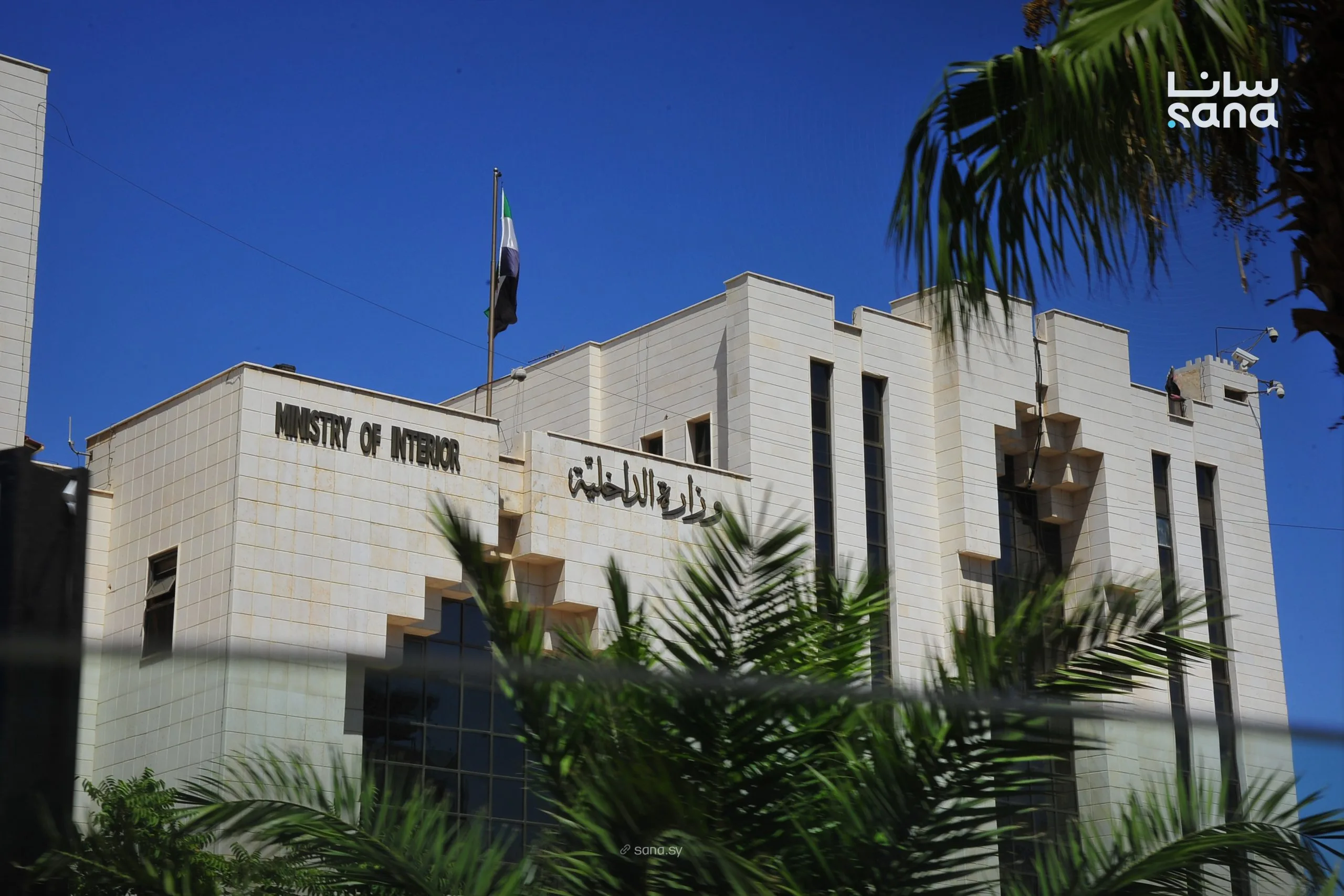
Ministry of Interior Licensing Process
For Syrian entrepreneurs establishing security companies, or foreign companies supporting local partners, understanding the Ministry of Interior licensing process is essential. Our firm handles complete licensing applications, from initial filing through final approval.
Licensing Requirements Checklist
- Company Formation: Establish LLC or joint stock company with security services in corporate purpose
- Capital Deposit: Deposit minimum capital based on service category at licensed bank
- Shareholder Documentation: Submit identification, residency proof, and criminal record clearance for all shareholders
- Security Clearance Applications: File for Ministry of Interior vetting of shareholders and key management
- Business Plan: Present detailed operational plan including service scope, target clients, and staffing
- Facility Requirements: Secure appropriate office premises meeting Ministry specifications
- Training Documentation: Provide evidence of approved training programs for personnel
- Equipment List: Register all security equipment including vehicles, communications, and protective gear
Complete licensing typically requires 3-6 months from initial application. Security clearance processing represents the longest phase. Our firm maintains relationships with relevant ministries to facilitate efficient processing.
Starting a Security Company in Syria?
We handle complete licensing from company formation through Ministry of Interior approval.
Market Entry Considerations
Pioneer Advantage: Emerald Solutions Group Case
The security sector's opening to international participation was demonstrated by Emerald Solutions Group, a Dubai-based security consultancy that established operations in Damascus in March 2025. This marked the first foreign security presence in Syria since 2011 and validated the consulting model for market entry.
Due Diligence Requirements
While most economic sanctions were lifted in 2025, ongoing compliance requirements remain:
- 139 individuals remain on the US SDN list requiring screening
- Syria's State Sponsor of Terrorism designation remains in effect
- Arms-related items remain subject to export controls
- Client vetting against sanctions lists is essential
Competitive Landscape
The current market features limited competition. Most existing security companies are small, family-run operations lacking international standards. Professional operators meeting international certification standards can capture premium market segments including diplomatic, corporate, and energy sector clients.
Our Legal Services for Security Sector Clients
Al Arabia Law provides comprehensive legal support for security sector market entry and operations. Our services span the complete business lifecycle from initial structuring through ongoing compliance.
Formation and Licensing Services
- Security company formation (Syrian ownership structure)
- Cybersecurity company formation (foreign ownership permitted)
- Ministry of Interior license applications
- Investment Law registration and incentive qualification
- Personnel security clearance processing
Contract and Partnership Services
- Joint venture consulting agreements
- Technology supply and licensing contracts
- Training service agreements
- Equipment supply contracts
- Management consulting arrangements
Ongoing Compliance Support
- Annual license renewal processing
- Personnel clearance updates
- Regulatory change monitoring
- Contract amendments and renewals
- Dispute resolution and litigation