Understanding Syrian Real Estate Law
Syria's real estate market presents unique opportunities for investors and diaspora members looking to acquire property. Whether you're purchasing residential property in Damascus, investing in commercial real estate, or reclaiming family land, understanding the legal framework is essential for protecting your interests.
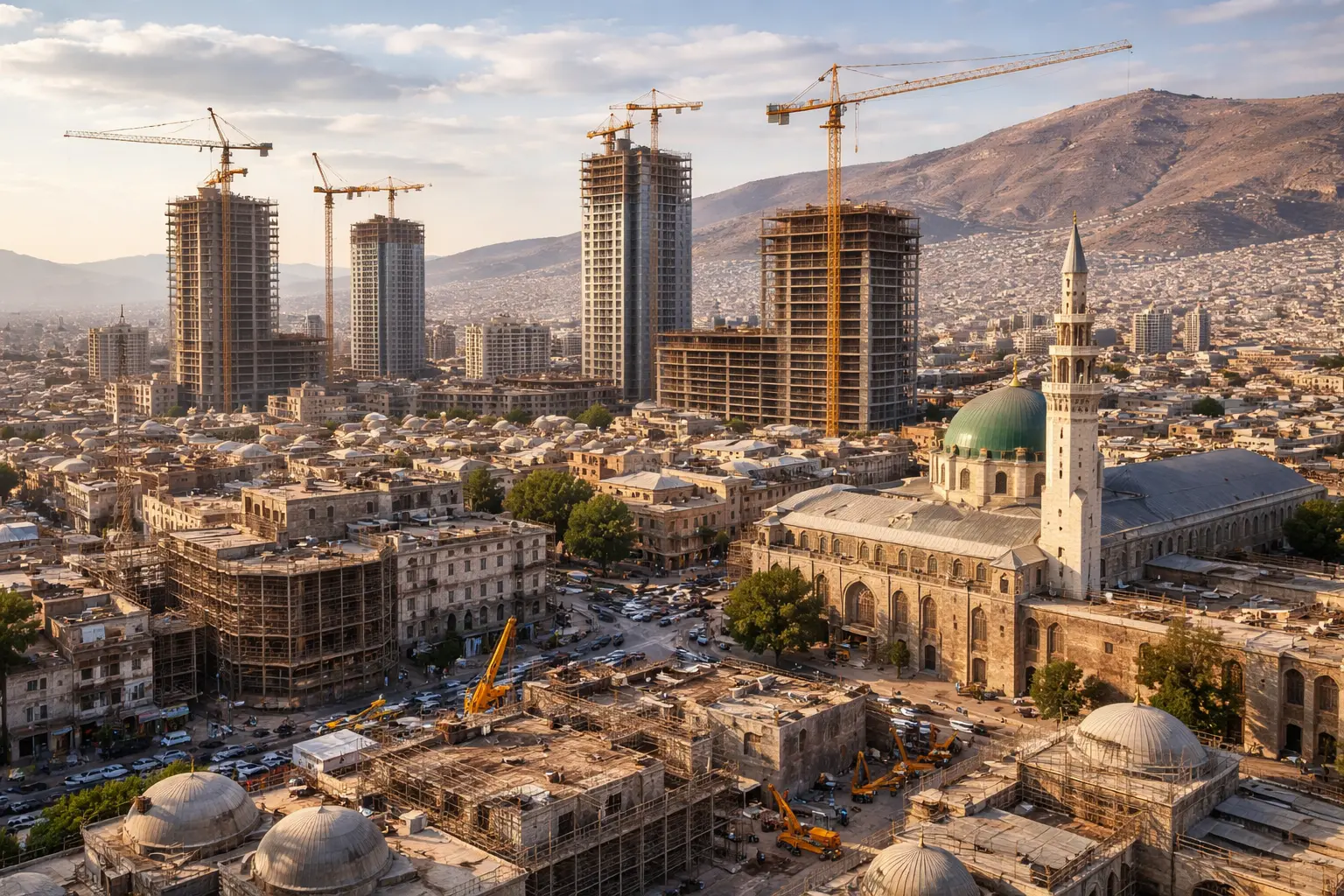
At Al Arabia Law, we have guided hundreds of property transactions over two decades. In our experience, the most successful property acquisitions in Syria share one common element: thorough legal preparation before any financial commitment. This approach has saved our clients from title disputes, ownership conflicts, and regulatory complications that plague unprepared buyers.
Why Legal Representation Matters in Syrian Property Transactions
Syrian property law operates differently from Western legal systems. The cadastral system, known as "Tabu" (السجل العقاري), maintains property records that require specialized knowledge to navigate effectively. Title deeds, ownership histories, and encumbrance records are maintained in Arabic across multiple governmental departments.
Foreign buyers and diaspora members face additional complexity. Properties purchased during family members' lifetimes may have complex inheritance chains. Land in conflict-affected areas may require additional verification. Certain property types require governmental approval for foreign ownership. Without proper legal guidance, buyers risk purchasing properties with unclear titles, undisclosed liens, or regulatory violations.
💡 Important for Diaspora Members
If you left Syria years ago and need to verify family property status or transfer inherited property, we can conduct preliminary investigations and represent your interests through properly authenticated power of attorney. You don't need to be present in Syria for most legal procedures.
Property Types Available in Syria
Syrian law recognizes several categories of real property, each with distinct ownership rules and transaction procedures:
Residential Property
Apartments, villas, and traditional houses in urban areas form the most accessible category for foreign buyers. Major cities including Damascus, Aleppo, Latakia, and Homs offer diverse residential options. Ownership typically involves fewer restrictions than other property types, though verification of building permits and construction legality remains essential.
Commercial Property
Offices, retail spaces, and warehouses represent significant investment opportunities, particularly in Damascus's commercial districts. Foreign investors may acquire commercial property subject to specific approvals, often structured through Syrian-registered entities to simplify ownership.
Agricultural Land
Syria's fertile regions, particularly in the Euphrates valley and coastal areas, contain valuable agricultural land. However, foreign ownership of agricultural land faces significant restrictions. Syrian nationals also face limitations in border regions and strategically designated areas. Land use conversion from agricultural to residential or commercial requires governmental approval.
Industrial Property
Factory sites and industrial zones, particularly in areas designated for reconstruction and development, offer opportunities for investors committed to Syria's economic revival. These transactions typically require investment licensing and may qualify for government incentives.
The Property Transaction Process in Syria
A typical property transaction in Syria follows a structured process that, when properly managed, protects both buyer and seller interests.
Initial Agreement and Deposit
Transactions begin with a preliminary agreement (عقد ابتدائي) outlining key terms including price, payment schedule, and conditions. A deposit, typically 10-20% of the purchase price, secures the buyer's commitment while due diligence proceeds.
Due Diligence Investigation
We conduct comprehensive verification including: title deed authentication at the Real Estate Directorate, ownership history review to identify potential claims, encumbrance search for mortgages, liens, or restrictions, building permit verification for constructed properties, municipal compliance check for zoning and tax status, and litigation search for any pending disputes.
Contract Finalization
Upon satisfactory due diligence, parties execute the final sale contract before a notary. The contract specifies all terms, representations, and warranties. For foreign buyers requiring governmental approval, contracts typically include conditions precedent tied to obtaining necessary permits.
Transfer and Registration
Final ownership transfer occurs at the Real Estate Directorate through a formal registration process. Both parties (or their authorized representatives) attend to sign transfer documents, pay registration fees and taxes, and receive the updated title deed reflecting the new ownership.
Foreign Ownership Regulations
Syrian law permits foreign property ownership with certain restrictions that vary based on the buyer's nationality and the property type:
Arab Nationals
Citizens of Arab League countries generally face fewer restrictions when purchasing property in Syria. However, specific regulations apply to agricultural land and properties in designated zones. Verification of current regulations at the time of purchase remains essential as policies evolve.
Non-Arab Foreigners
Non-Arab foreign nationals may purchase property subject to approval from the Ministry of Interior and, for certain property types, the Council of Ministers. The approval process considers factors including property location, intended use, and the buyer's residency status. Agricultural land acquisition faces significant restrictions for non-Arab buyers.
🔑 Key Insight from Our Practice
In our experience, foreign buyers who engage legal representation early in the process complete their transactions significantly faster. We've seen approval timelines reduced from months to weeks when documentation is prepared correctly from the outset and submitted through proper channels with established relationships.
Syrian Diaspora
Syrian nationals residing abroad retain property rights in Syria regardless of their current residency or citizenship status elsewhere. Diaspora members may purchase, sell, inherit, and transfer property. Many conduct transactions through properly authenticated powers of attorney, allowing completion without physical presence in Syria.
Costs and Taxes in Syrian Property Transactions
Property transactions in Syria involve several cost categories that buyers should anticipate:
Registration Fees
Fees payable to the Real Estate Directorate typically range from 2-3% of the property's assessed value. The assessed value may differ from the transaction price based on governmental valuations.
Stamp Duties
Various stamp duties apply to transaction documents. These fees, while individually modest, accumulate across multiple documents and should be budgeted accordingly.
Notarization Fees
Notarial authentication of contracts and powers of attorney involves fees based on document type and transaction value.
Legal Fees
Professional legal representation involves fees that vary based on transaction complexity, property value, and services required. We provide transparent fee structures and detailed engagement letters before commencing work.
Tax Considerations
Sellers may face capital gains considerations depending on circumstances. Annual property taxes apply to owned real estate. Foreign buyers should also consider tax implications in their country of residence. We recommend consulting tax advisors familiar with both Syrian and home-country requirements.
Common Challenges and How We Address Them
Unclear Title History
Properties with complex ownership histories, particularly those involving inheritance, require careful investigation. We trace ownership chains through registry records, family documents, and court records where necessary to establish clear title before any transaction proceeds.
Properties in Conflict-Affected Areas
Certain regions affected by the Syrian conflict require additional verification procedures. Physical property condition may have changed, and ownership claims may require validation against current registry status. We conduct appropriate investigations before advising clients to proceed.
Distant Buyers
Buyers residing outside Syria often cannot attend multiple appointments in person. Through properly authenticated powers of attorney, we represent client interests throughout the transaction process, from initial property viewing through final registration.
Regulatory Changes
Syrian property regulations evolve over time. Our ongoing engagement with governmental authorities ensures current knowledge of applicable rules. We advise clients on regulatory requirements as they exist at the time of transaction, not based on outdated assumptions.